The idea that the gut and hormones are separate systems does not hold up well against current research. A growing body of work on what scientists call the estrobolome, the collection of gut bacteria genes involved in processing estrogen, shows just how tightly the two are linked.
After estrogen is used by the body, it is sent to the liver to be deactivated and prepared for removal. Certain gut bacteria produce an enzyme called beta glucuronidase, which can reverse that process and reactivate estrogen so it is reabsorbed into circulation rather than excreted. Research published in the Journal of Biological Chemistry in 2019 identified and validated dozens of these bacterial enzymes across the human gut, confirming that the composition of a person's gut bacteria has a direct, measurable influence on how much estrogen is recirculated versus cleared.
A 2017 review in Maturitas laid out what is now called the estrogen gut microbiome axis, describing how shifts in gut bacterial diversity, particularly around menopause, correspond with changes in circulating estrogen and downstream risks including cardiometabolic disease. More recent research has extended this to conditions like PCOS and endometriosis, where estrogen excess or imbalance in metabolism is part of the clinical picture.
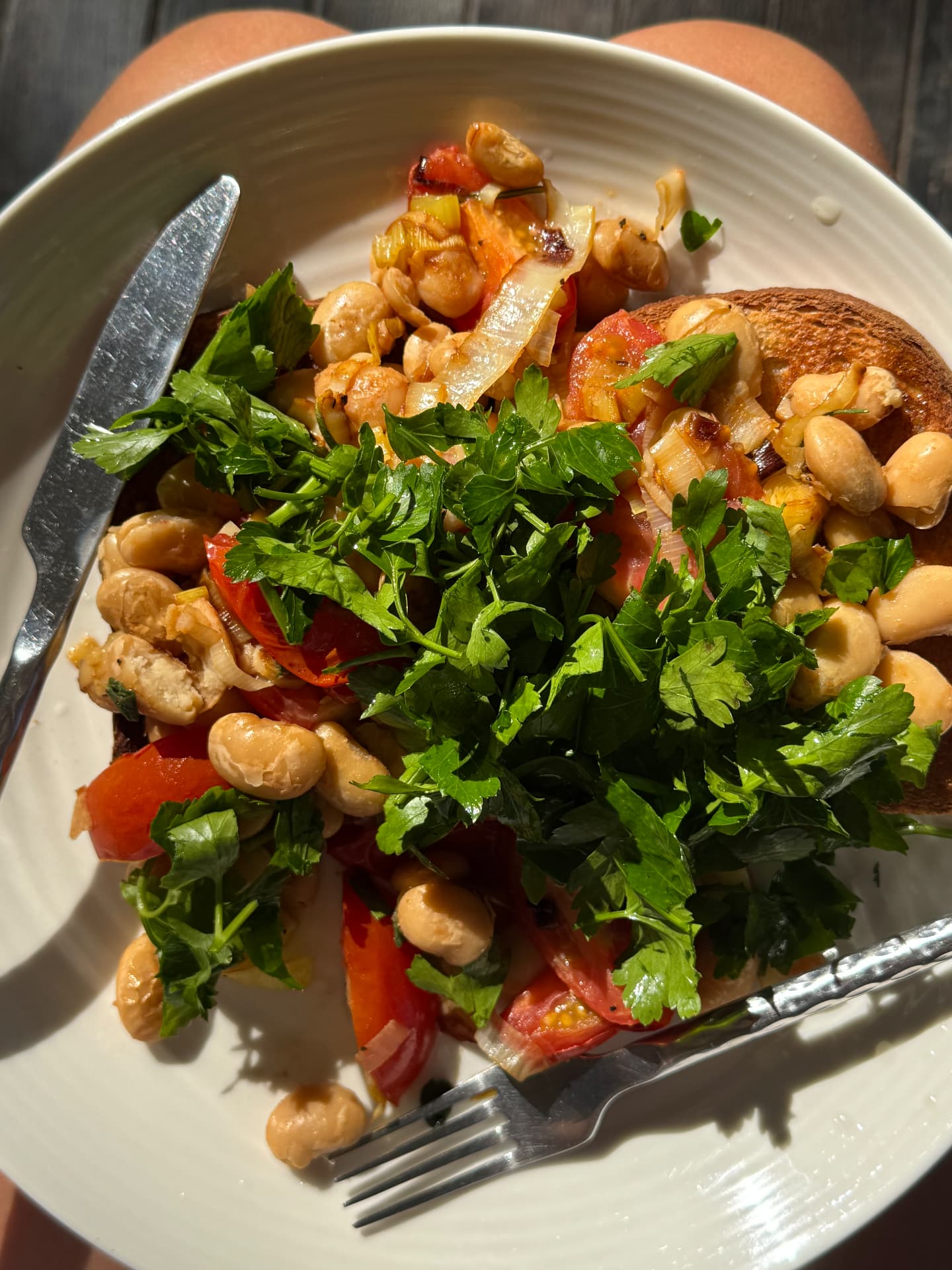
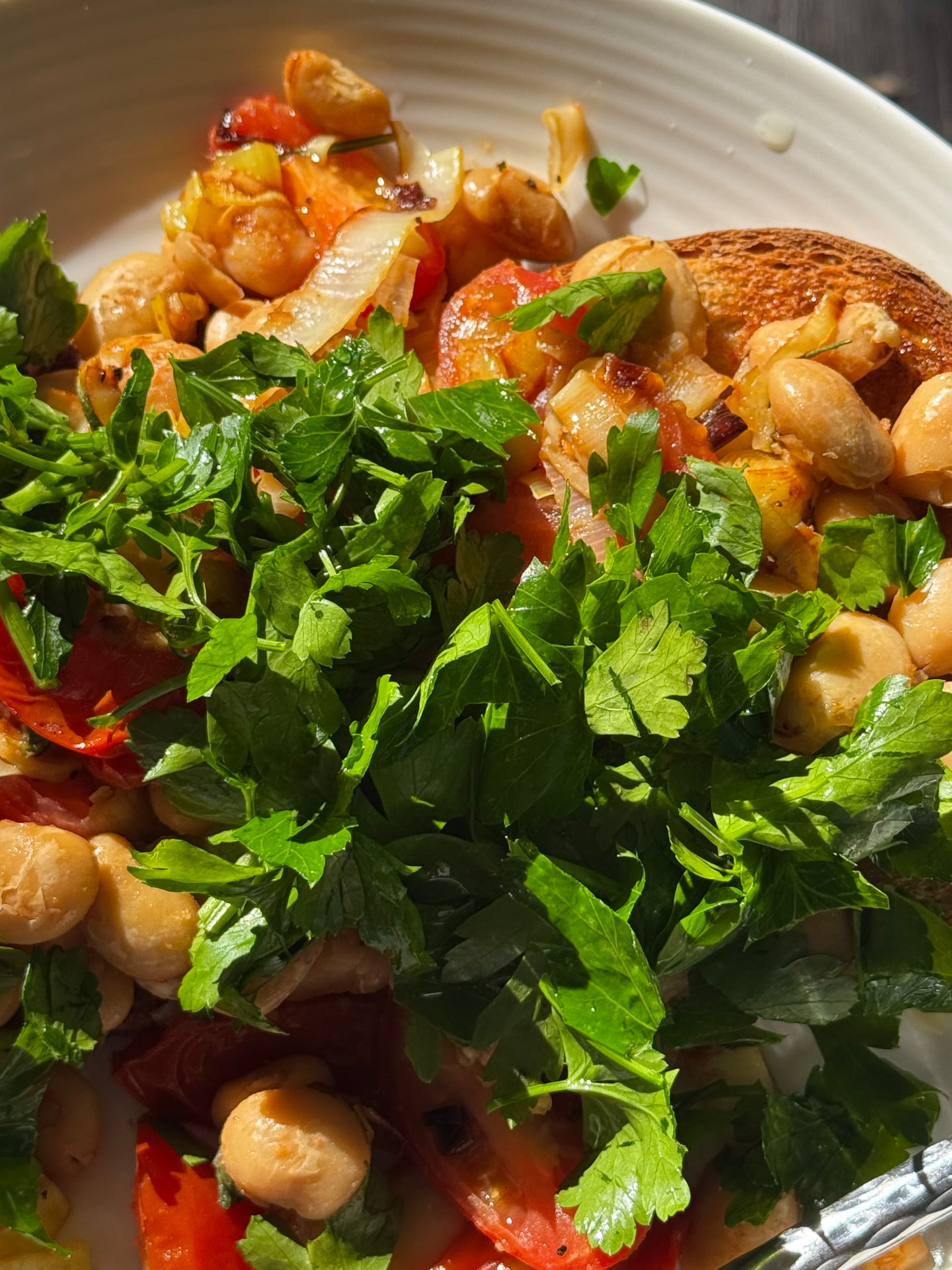
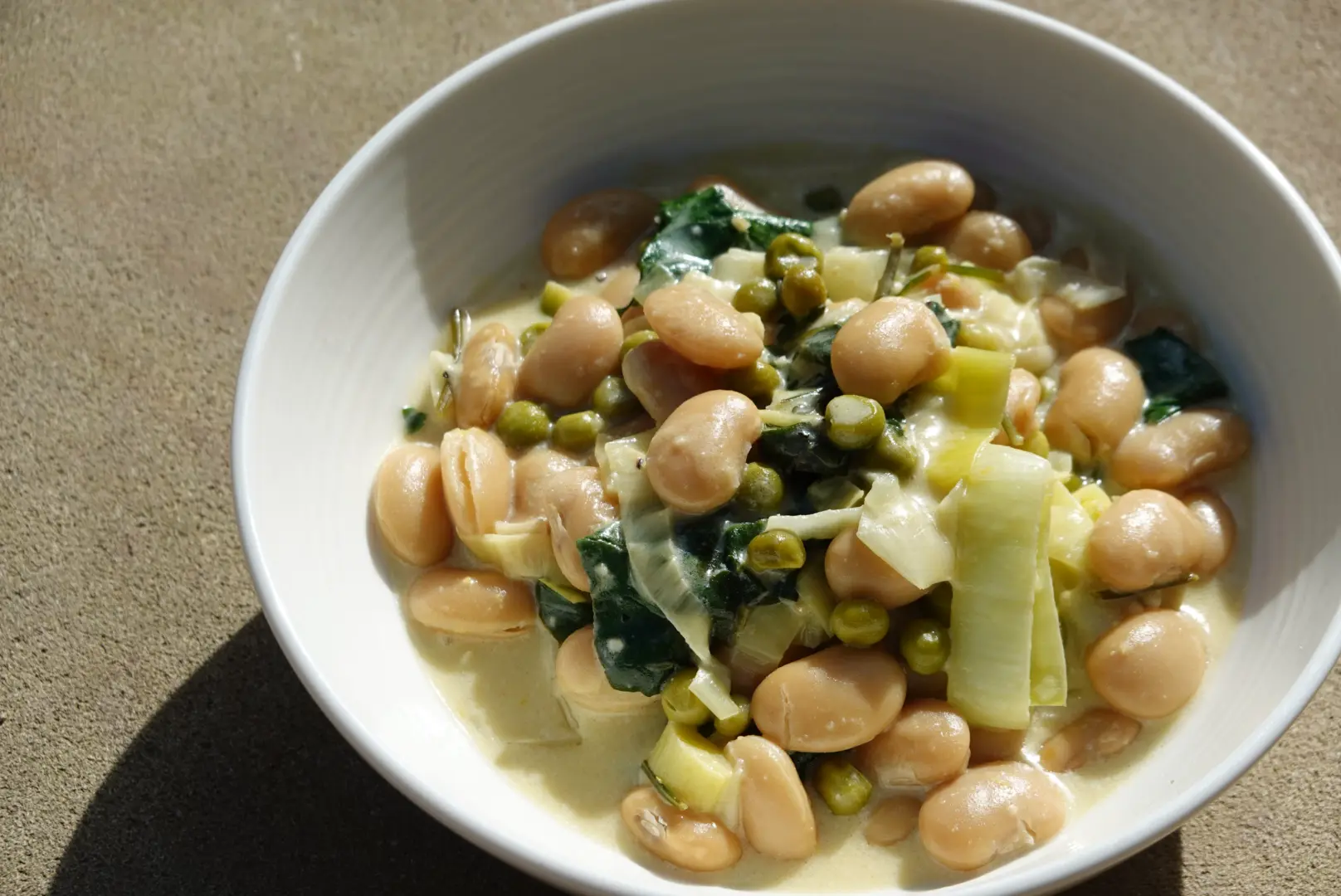
Diet is one of the more direct ways to influence this system. Fibre feeds the beneficial bacteria that support healthy estrogen clearance, and a diverse range of plant fibre sources, rather than a single supplement, appears to matter more than any one food in isolation. Cruciferous vegetables, legumes, whole grains, and a wide variety of plant foods each contribute differently to the diversity of the gut environment.
For anyone working through hormonal symptoms, this offers a genuinely actionable angle. Supporting the gut through fibre diversity is not a replacement for medical care, but it is one of the more consistent, low risk levers currently supported by the research.
References
- 1. Ervin SM, Li H, Lim L, et al. Gut microbial beta glucuronidases reactivate estrogens as components of the estrobolome. J Biol Chem. 2019;294(49):18586 to 18599.
- 2. Baker JM, Al Nakkash L, Herbst Kralovetz MM. Estrogen gut microbiome axis: physiological and clinical implications. Maturitas. 2017;103:45 to 53.
- 3. Hu S, Ding Q, Zhang W, et al. Gut microbial beta glucuronidase: a vital regulator in female estrogen metabolism. Gut Microbes. 2023;15(1):2236749.