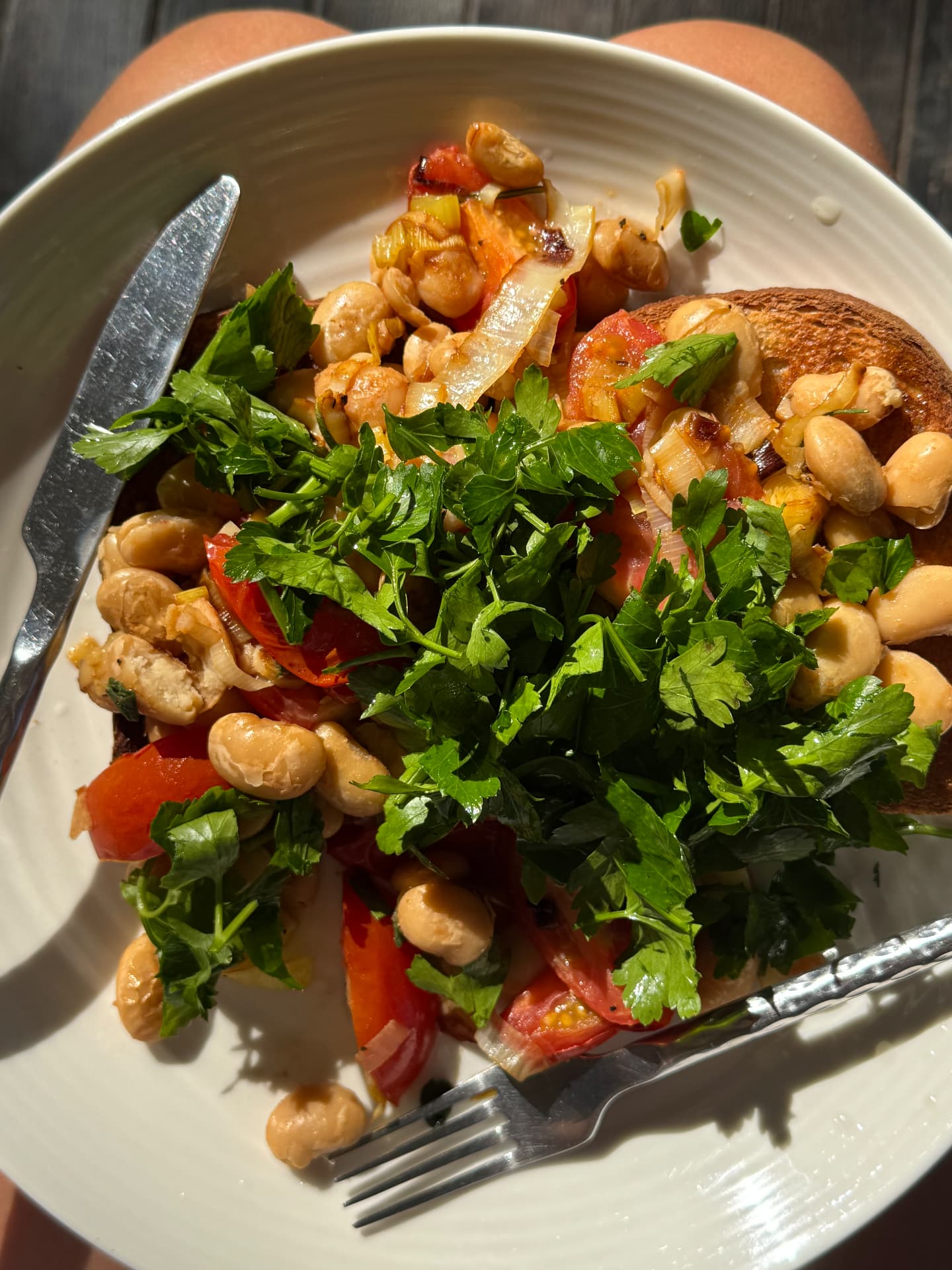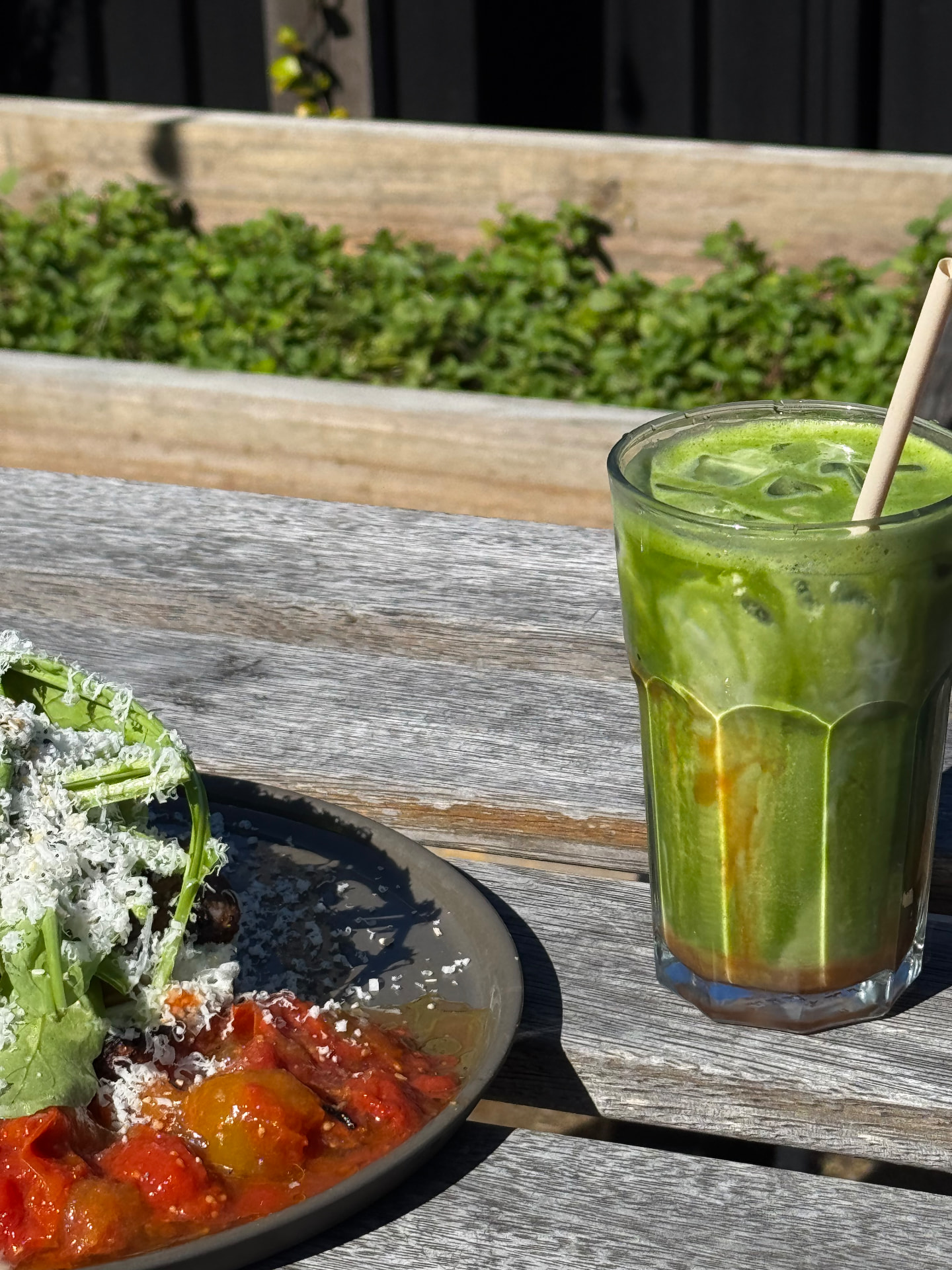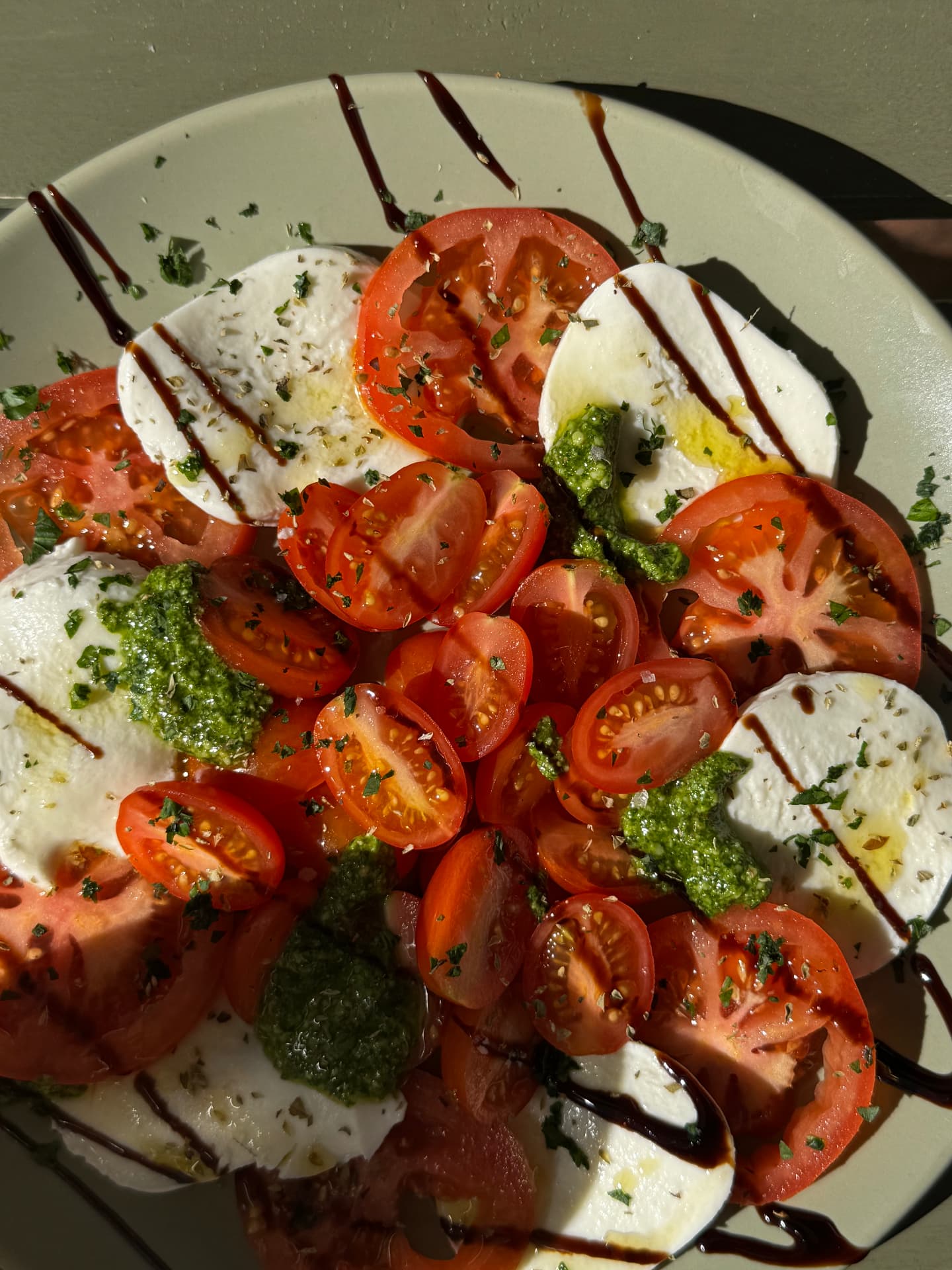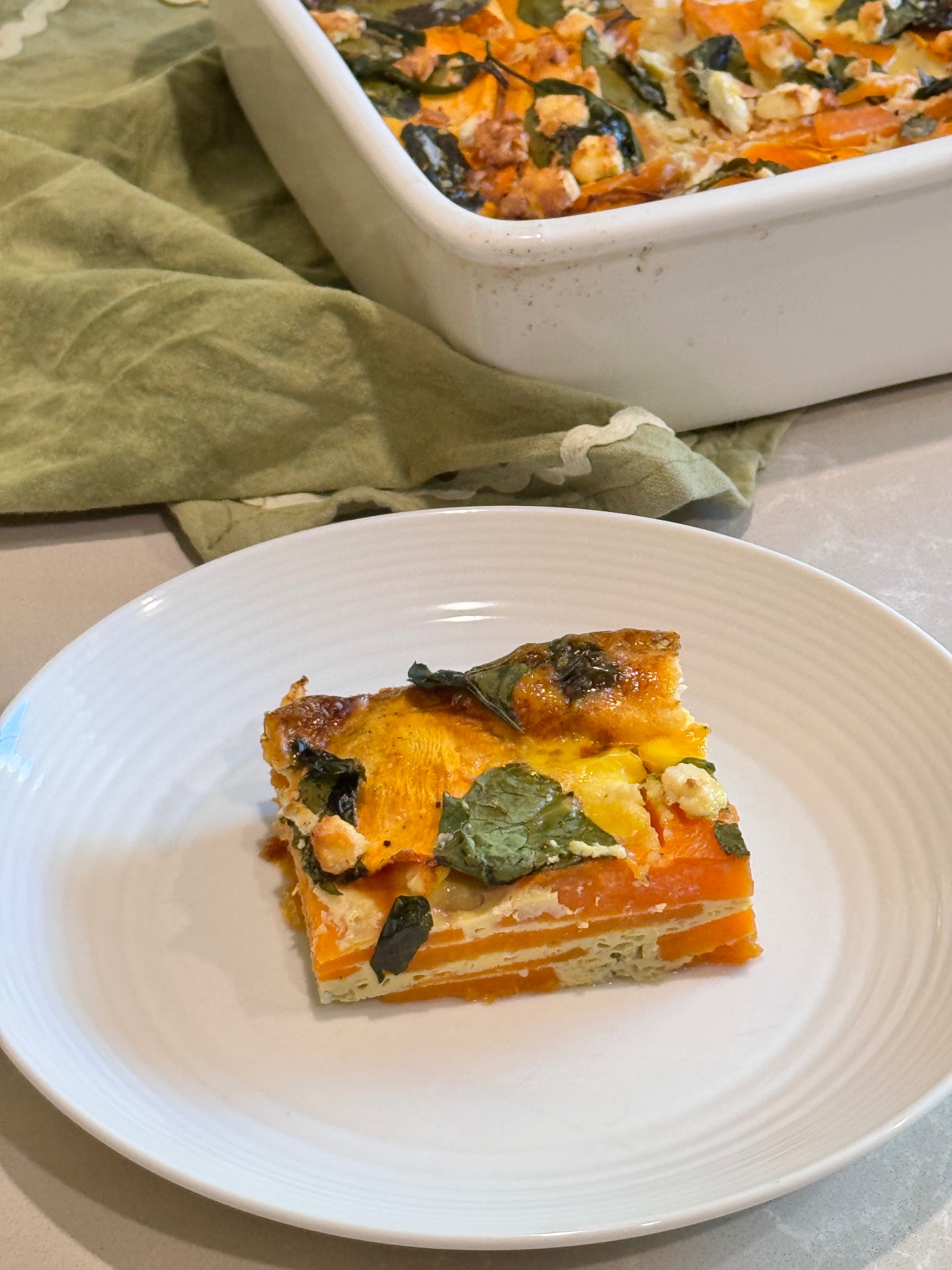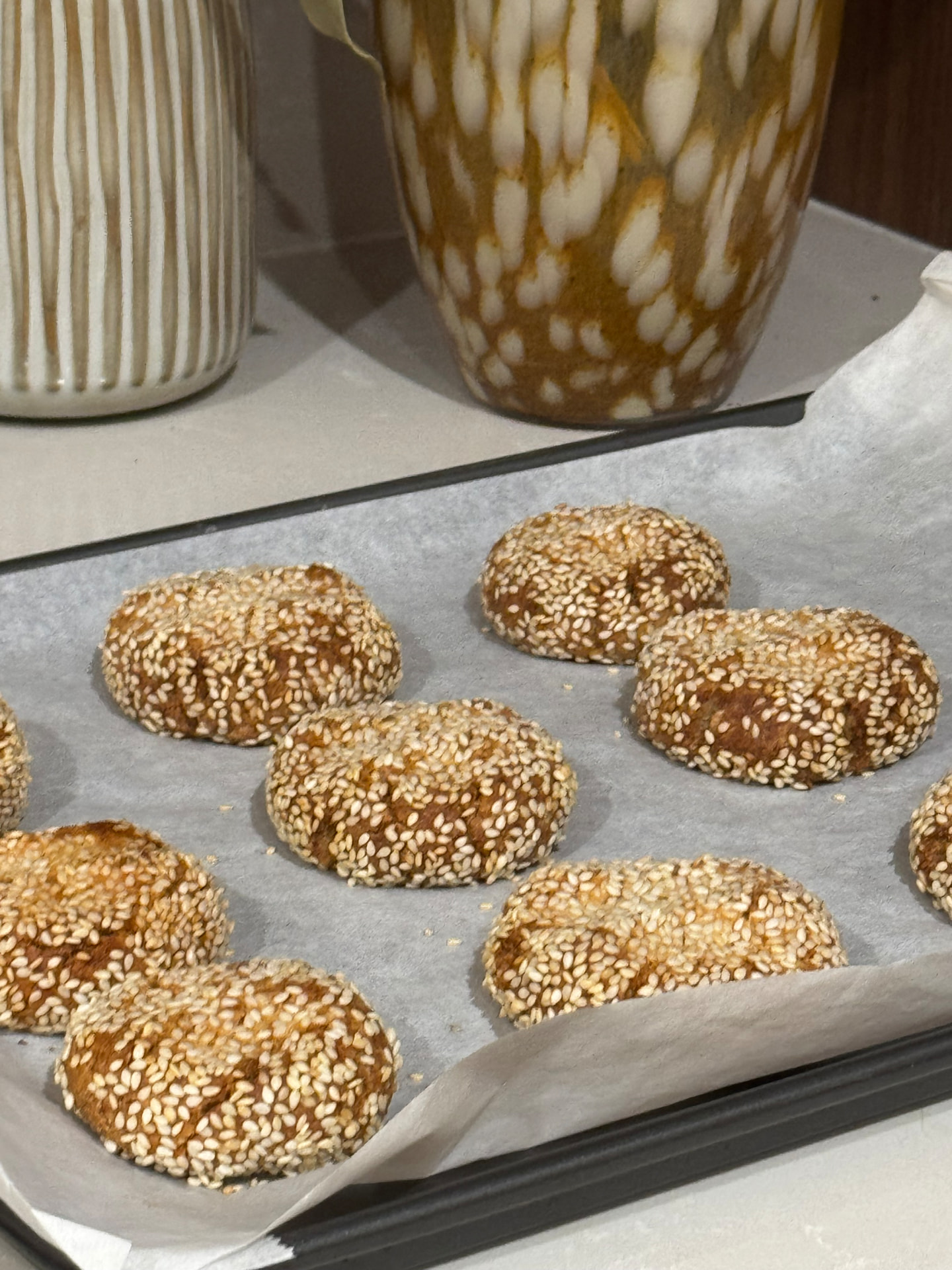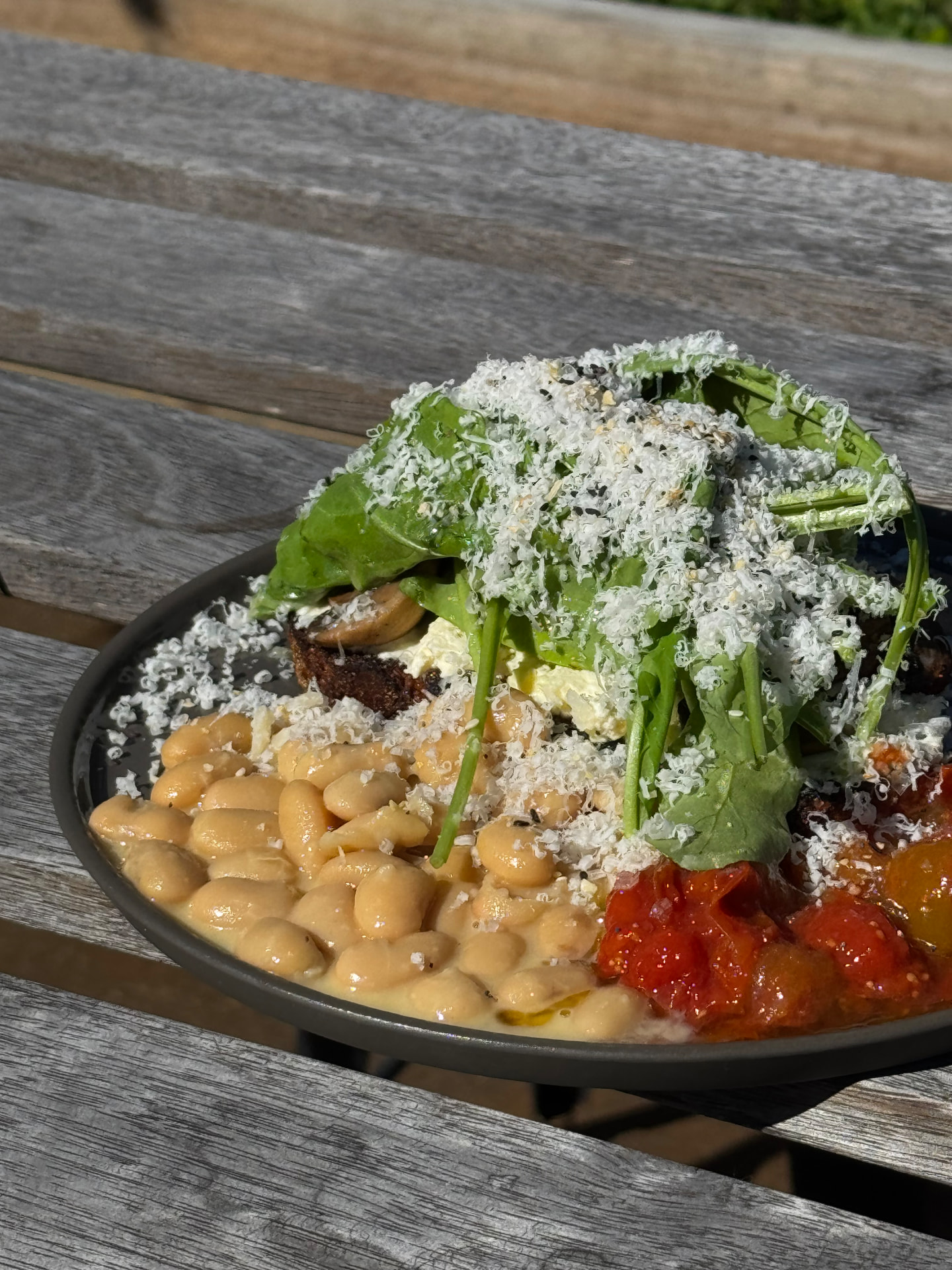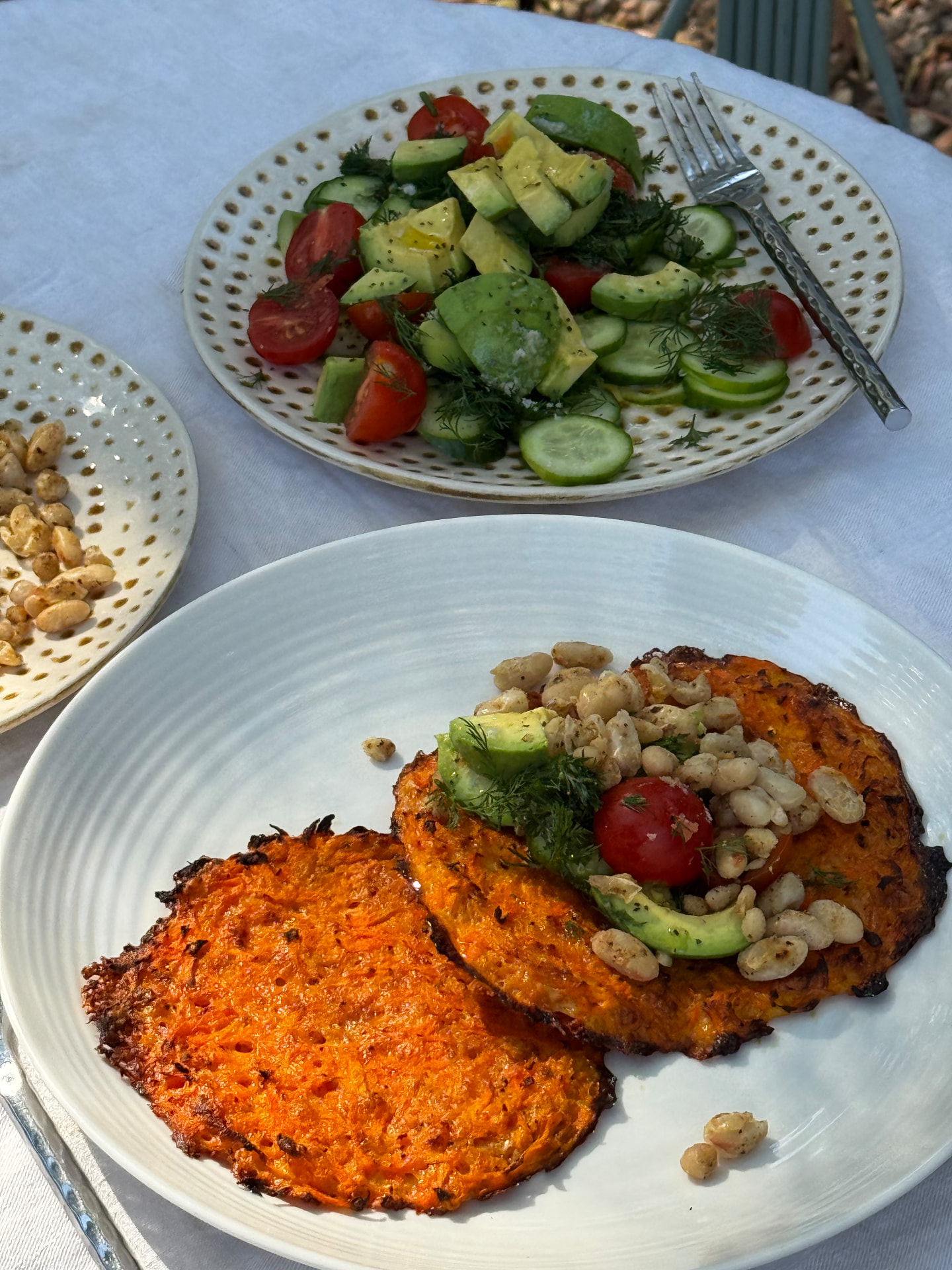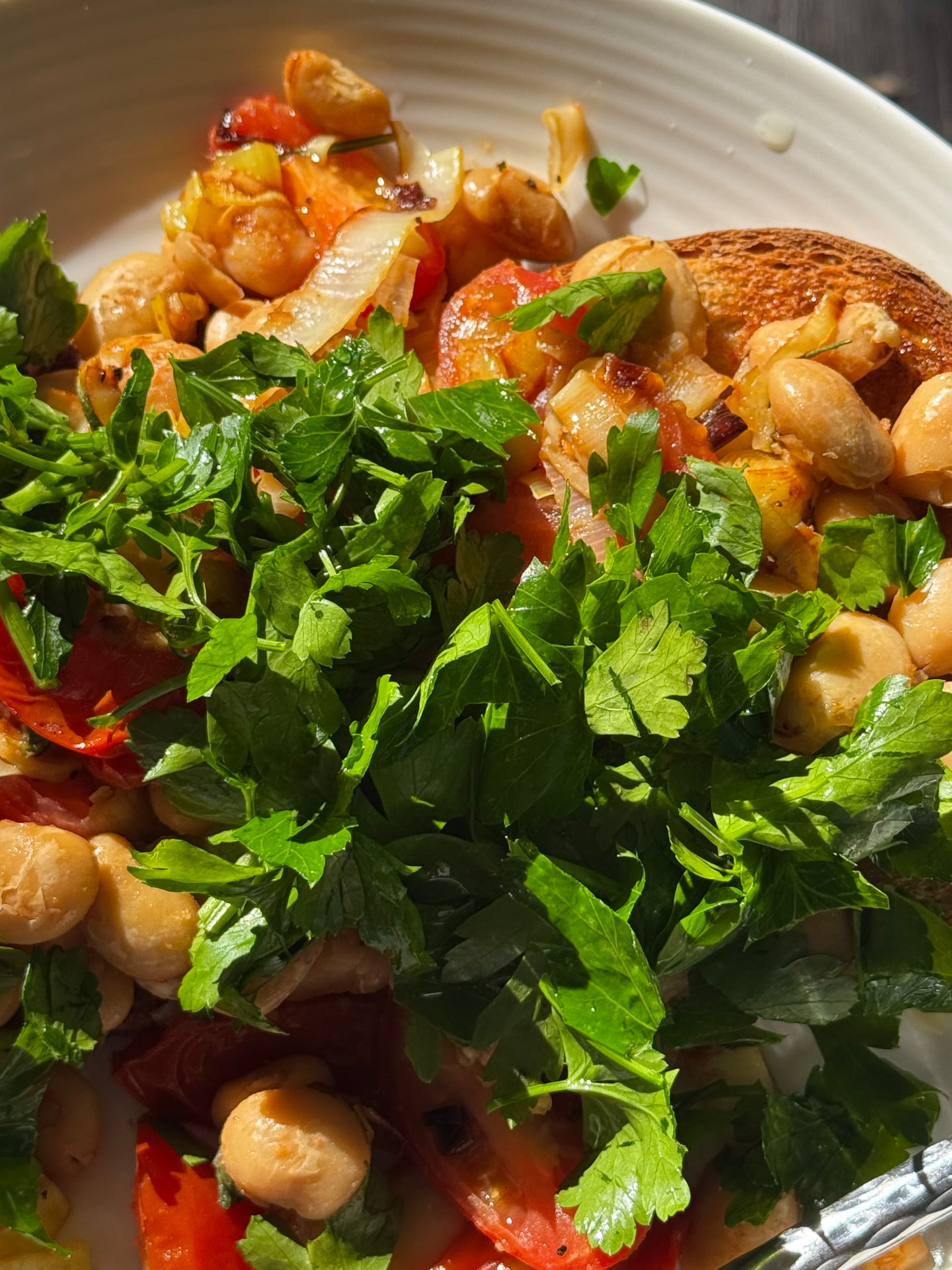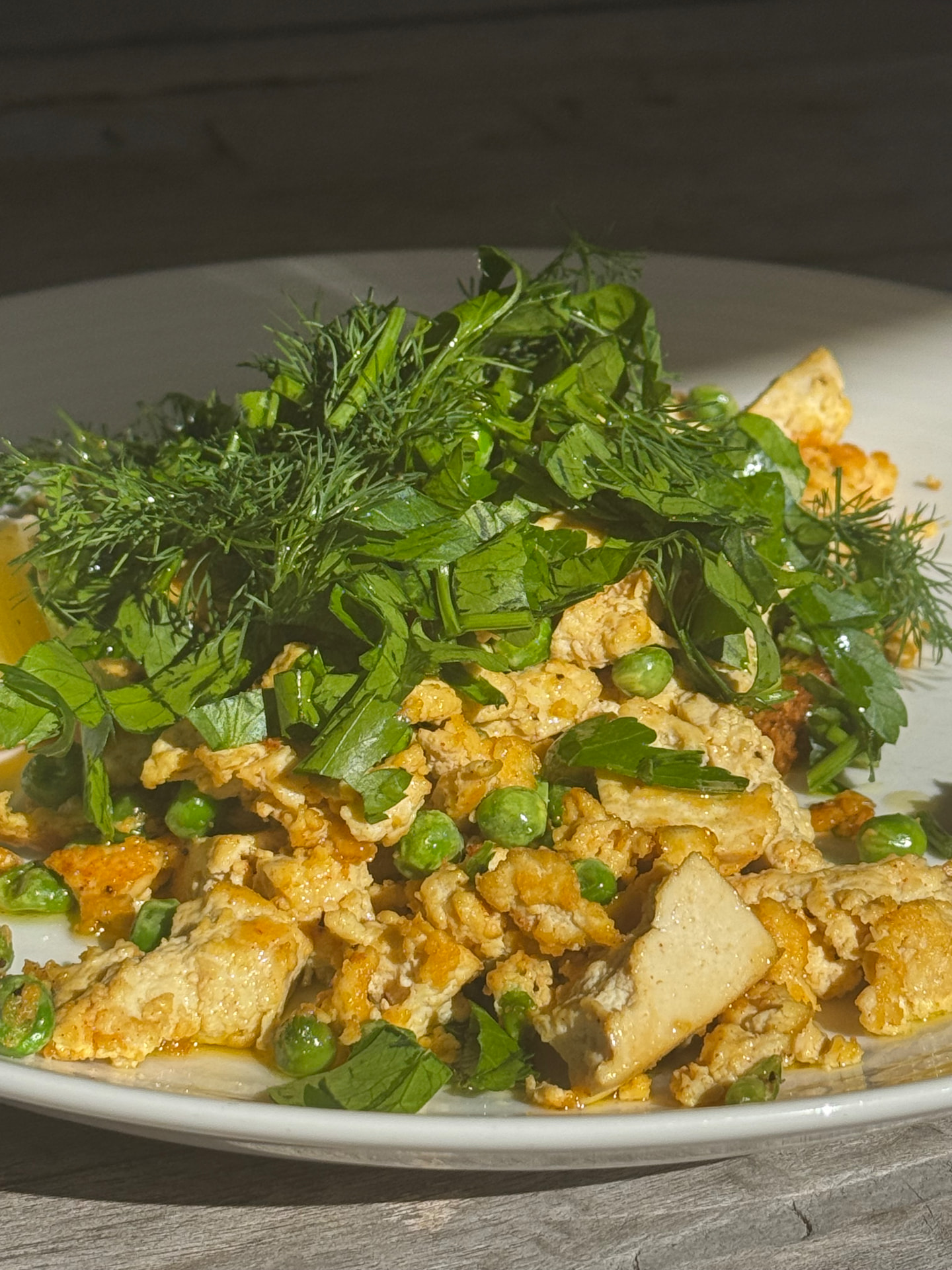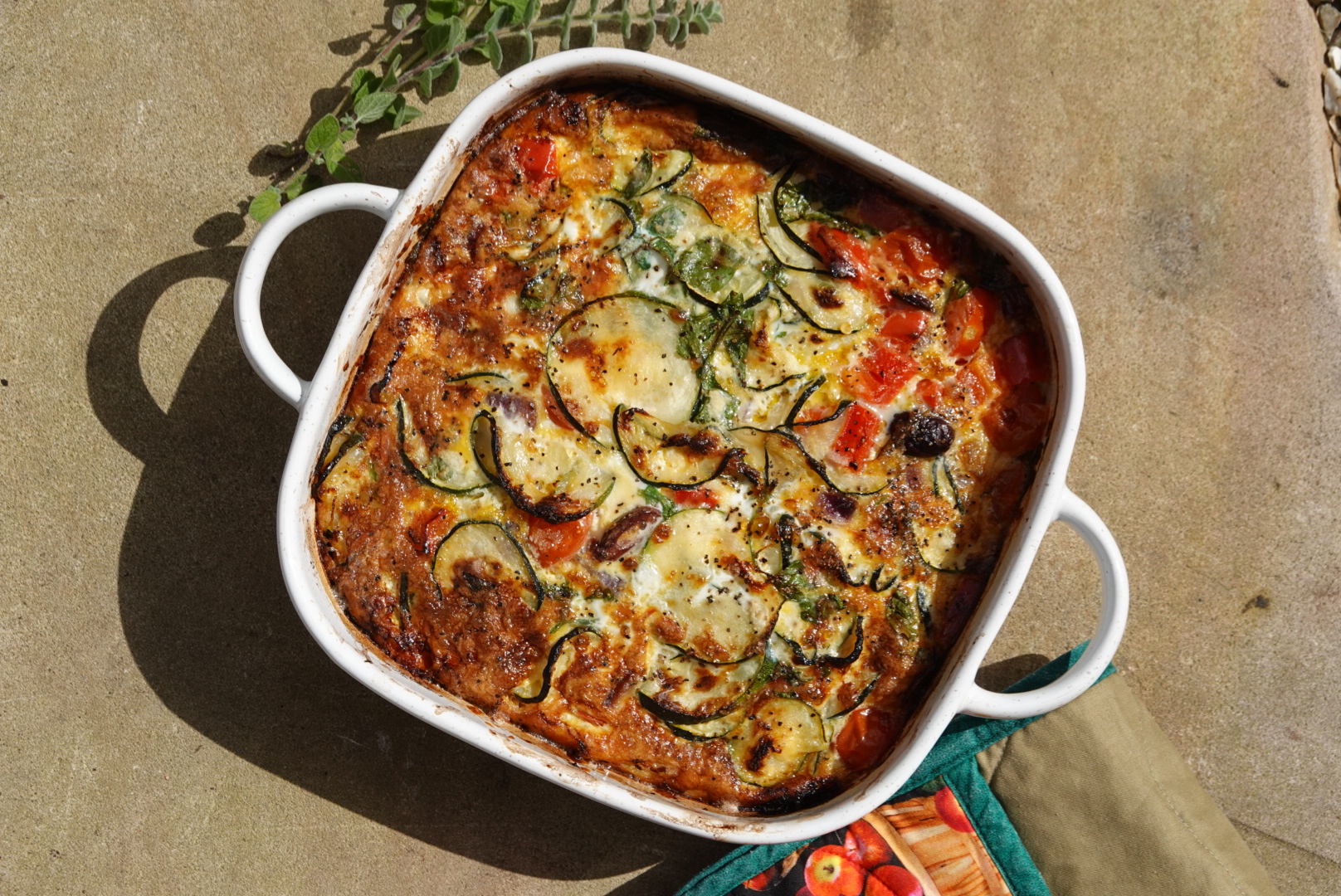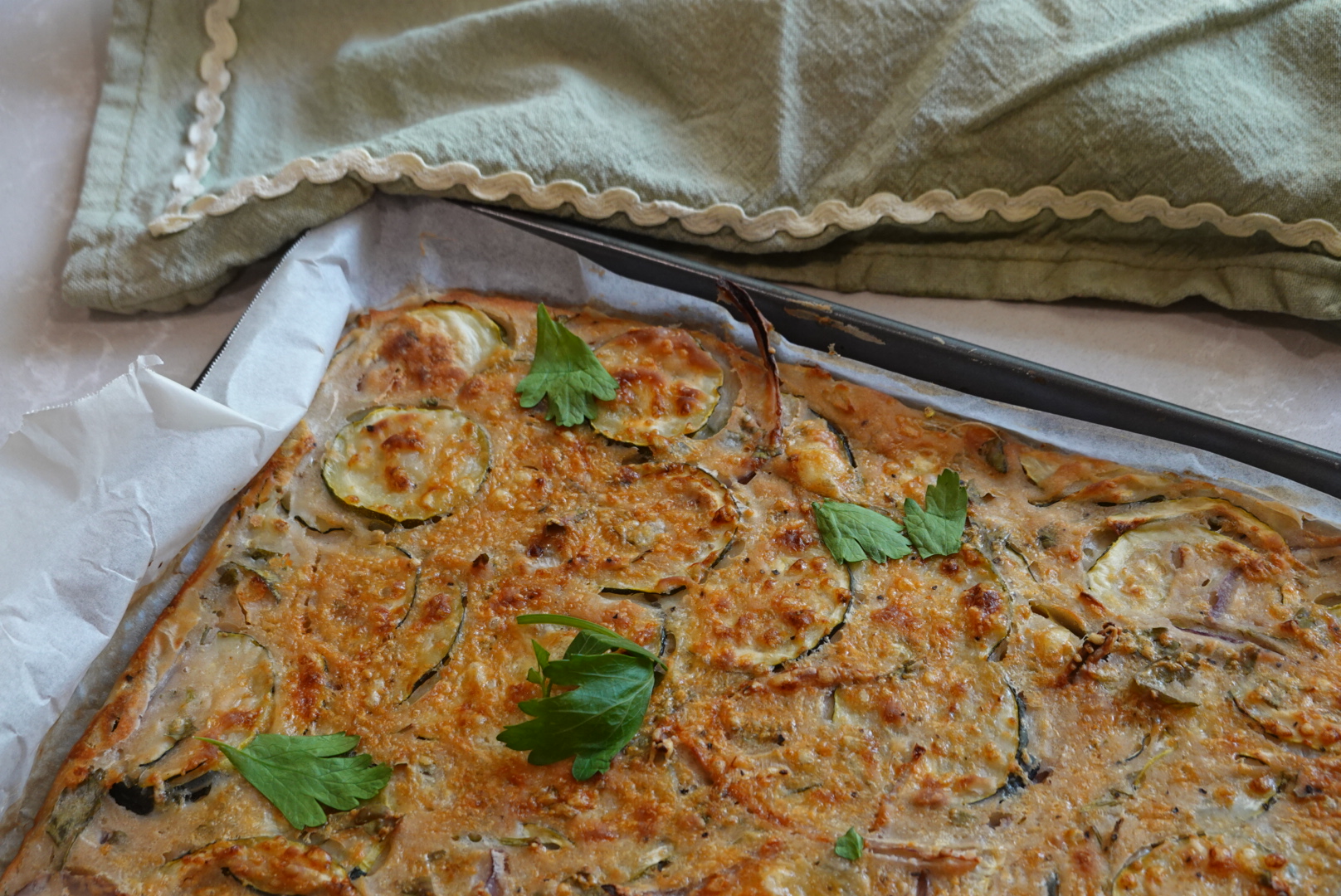
Polyphenols are the natural plant compounds responsible for much of the colour, bitterness, and aroma in Mediterranean staples such as olive oil, red wine grapes, herbs, and dark leafy greens, and they are increasingly understood as a genuine mechanism behind the diet's benefits rather than a marketing term.
A 2017 review in Nutrition Bulletin described how dietary fibre and polyphenols interact in the colon, where gut bacteria convert polyphenols into smaller, more bioavailable metabolites. This matters because polyphenols as eaten are often poorly absorbed on their own, meaning their health effects depend heavily on a person's gut bacteria being diverse enough to metabolise them properly.
A 2025 systematic review and meta analysis published in Nutrition Reviews examined polyphenol rich interventions in adults who were overweight or obese and found consistent improvements in markers of gut bacterial diversity alongside reductions in oxidative stress and inflammatory markers. Separate research has shown that polyphenols selectively encourage the growth of beneficial bacteria such as Bifidobacterium and Akkermansia while suppressing less favourable species, creating a feedback loop where a healthier gut environment allows even greater benefit to be extracted from the same foods over time.
This is part of why Mediterranean eating leans so heavily on variety rather than a small number of superfoods. Herbs, extra virgin olive oil, capers, olives, dark greens, and a wide range of vegetables each contribute a different class of polyphenol, and the current evidence suggests that this diversity, rather than any single high dose source, is what supports a resilient gut environment.
For anyone building a plate with inflammation or gut health in mind, the research supports a simple principle: eat a wide range of colourful plant foods regularly, rather than relying on one polyphenol rich food to carry the benefit alone.
References
- 1. Edwards CA, Havlik J, Cong W, et al. Polyphenols and health: interactions between fibre, plant polyphenols and the gut microbiota. Nutrition Bulletin. 2017;42(4):356 to 360.
- 2. Effect of polyphenol rich interventions on gut microbiota and inflammatory or oxidative stress markers in adults who are overweight or obese: a systematic review and meta analysis. 2025.
- 3. Dietary polyphenols as modulators of Bifidobacterium in the human gut microbiota. Nutrients. 2026;18(5):782.